
A teacher in an international school in Panama asks her students to critique essays "written" by ChatGPT, while others have their students fact-check AI material, according to Time. University of Pennsylvania professor Ethan Mollick requires his students to use generative AI while holding them accountable for the information in whatever they produce with it. These are great ways for students both … [Read more...] about Should our kids learn how to use generative AI? Well…
digital literacy
2 new papers spell a turning point for digital safety & citizenship: Part 2

The timing struck me. Though it seems all of life is at an inflection point now, in the middle of a pandemic, two new papers that represent a pivotal moment for digital safety and citizenship education are published almost at the same time. Individually and together, they offer new guidance that simply mustn’t be lost in the Covid-19 din. Thus this 2-part series. Part 1 was on safety, and here’s … [Read more...] about 2 new papers spell a turning point for digital safety & citizenship: Part 2
Youth cybersecurity concerns & what will reduce them: Research
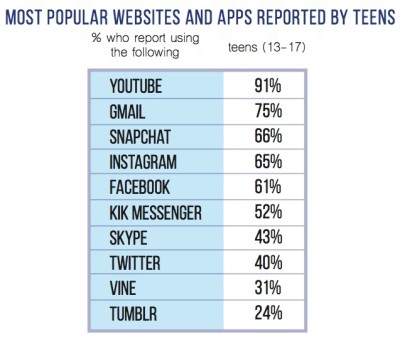
This being National Cyber Security Awareness Month, we might ask how secure young people are feeling online. According to two just-released studies, not so much. But there's some light in there, so stay with me. A Microsoft survey of 13-17 year-olds in 14 countries found that 43% had experienced unwelcome contact at some point. The study also surveyed adults and found that 58% of young people … [Read more...] about Youth cybersecurity concerns & what will reduce them: Research
Tech likely not the main problem in cyberbullying: Breakthrough study

There are some groundbreaking takeaways (and many more insights) in new research from the University of New Hampshire – "The Role of Technology in Peer Harassment: Does It Amplify Harm for Youth?" – and my headline is one of them. Another one is the answer to the question posed in the authors' headline: "no," their data indicates. But before going any further with the takeaways, a bit about the … [Read more...] about Tech likely not the main problem in cyberbullying: Breakthrough study
‘Disconnected’: Crucial book for closing the ‘ethics gap’ online
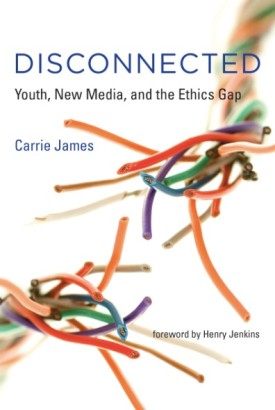
I don't know about the millions of people in developing countries going online for the first time with mobile phones but, here in the developed world, something strange happened when we moved onto the Web nearly 20 years ago. It's as if we checked our thousands of years of social-norms and ethics development at the door of cyberspace. Somehow we saw that space as "technology" and got stuck there – … [Read more...] about ‘Disconnected’: Crucial book for closing the ‘ethics gap’ online